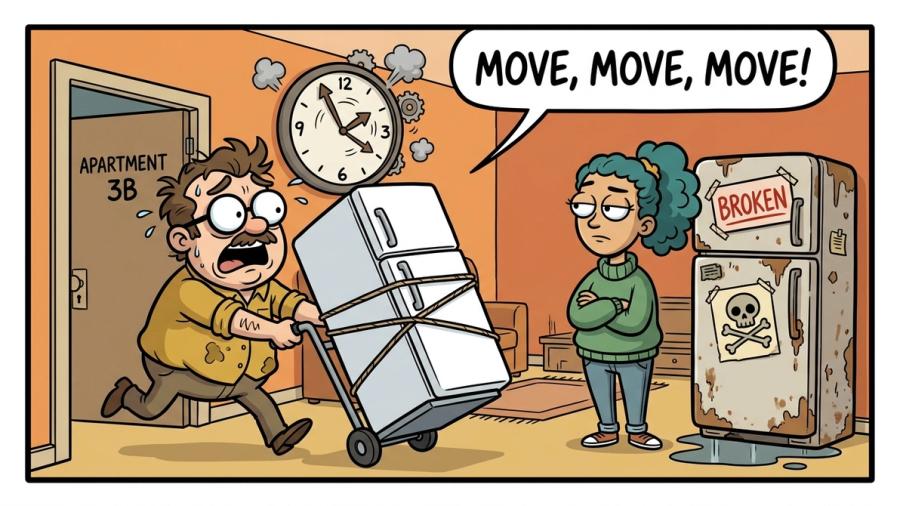
A broken refrigerator is no longer just an inconvenience for California renters. Under AB 628, which took effect January 1, 2026, a working stove and refrigerator are now part of the state's legal definition of a habitable rental unit, and a landlord who doesn't repair or replace a failed appliance within 30 days of notice risks a habitability violation.
The change sits inside Civil Code 1941.1, the same statute that has long required functioning plumbing, heating, and electrical systems. It applies to new, renewed, or amended residential leases statewide, covering everything from single family rentals to large multifamily buildings, with limited exceptions for shared kitchen housing and a few other specific setups. Once a landlord provides a stove or refrigerator, maintaining it becomes their responsibility, and if a tenant supplies their own refrigerator instead, that arrangement needs to be documented in writing to avoid a dispute later over who's on the hook when it breaks.
What Counts as a Violation
A missing appliance is the obvious trigger, but the law reaches further than that. A stove or refrigerator under a manufacturer safety recall counts as non compliant even if it's still technically running, and the clock on the 30 day window starts the moment the landlord receives notice, whether that's a maintenance request, a written letter, or a text a tenant keeps on file. Miss that window and a tenant has grounds to pursue rent withholding, a code enforcement complaint, or a broader habitability claim, the same legal path used for a leaking roof or a dead furnace.
That timeline puts pressure on a part of property management that used to move at a more relaxed pace. Coordinating a technician, sourcing a replacement unit if repair isn't realistic, and documenting every step now has to happen inside 30 days of a tenant flagging the problem. For an owner juggling several units across Ventura County or the Sacramento region, that's a tight window to schedule a vendor and confirm the fix actually holds.
Where Maintenance Coordination Comes In
This is exactly the kind of deadline that separates landlords with a reliable maintenance system from landlords working reactively. Nest Nomads coordinates the vendor scheduling, appliance repair or replacement, and documentation trail that AB 628 now requires, working across every trade a unit needs rather than leaving an owner to track down an appliance technician alone. Treating appliance failures as habitability issues rather than routine wear and tear is the mindset shift the law is forcing across the industry, and it changes how quickly a work order needs to move from report to resolution.
Landlords who build appliance checks into routine turnover walkthroughs and seasonal inspections, rather than waiting for a tenant complaint to surface a problem, will find the 30 day window far easier to meet, and far less likely to turn into a dispute in the first place.