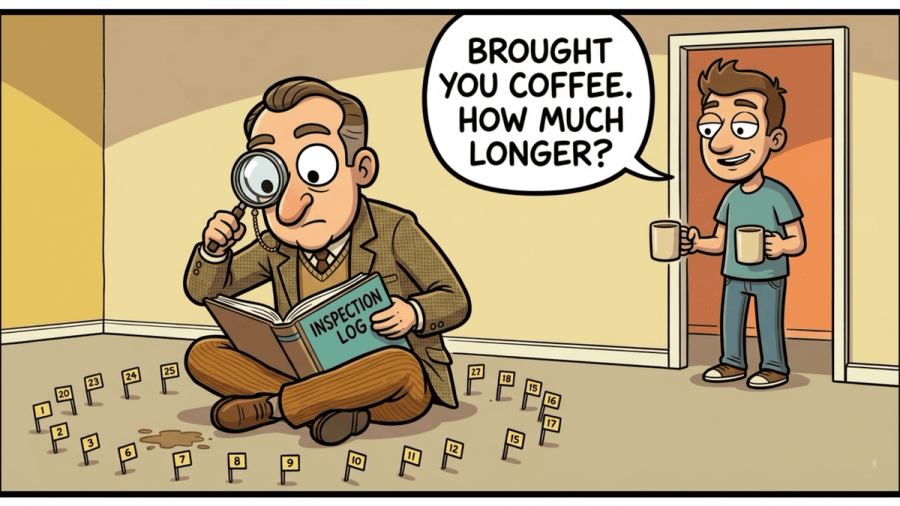
Landlords should inspect an occupied rental property every three to six months, plus a walkthrough at move-in and move-out, giving tenants 24 to 48 hours written notice before each visit. That's the range most property managers and state landlord-tenant guides converge on, and it holds whether the property is a single-family home or a small multifamily unit.
The exact cadence depends on the tenant relationship and the property's history. Every six months is standard for a reliable, long-term tenant with no reported issues. Every three months makes more sense for a newer tenancy, a property with a maintenance history, or a lease that specifically calls for quarterly checks. Move-in and move-out inspections are non-negotiable in either case, since they set the baseline condition report that security deposit decisions depend on.
What Counts as a Reasonable Inspection Schedule
Most states don't cap how many inspections a landlord can run in a lease term, but they do require proper notice, typically 24 to 48 hours in writing, and they do protect a tenant's right to quiet enjoyment of the property. That means inspections need a real purpose behind them, whether that's a routine seasonal check, a specific maintenance concern, or the terms already written into the lease. Showing up unannounced or too often, even with good intentions, can cross into harassment territory in some jurisdictions.
A seasonal inspection is usually the most useful middle ground. It gives an owner a look at HVAC filters, smoke and carbon monoxide detector batteries, signs of pest activity, and any small maintenance issue before it becomes a bigger one, without feeling intrusive to a tenant who already knows it's coming because it's written into the lease.
Why Consistent Inspections Save Money Later
A skipped inspection doesn't save time, it just delays the discovery of a problem until it's more expensive to fix. A slow leak caught at a six-month check is a repair. The same leak found at move-out, after months of unnoticed water damage, is a much bigger bill and a harder deposit dispute. This is exactly the kind of scheduled, documented process that a property management and maintenance partner like Nest Nomads builds into ongoing care for occupied rental homes, rather than leaving it to whenever an owner remembers.
A regular inspection schedule is one of the cheapest tools a landlord has. It costs a bit of coordination and a respectful notice period, and it buys an early warning on almost everything that would otherwise turn into a costly surprise. Owners who document each visit with photos and a short written summary also give themselves a much stronger position if a security deposit dispute ever ends up in front of a judge. Skipping that documentation is the single most common reason a landlord loses that kind of dispute, even when the underlying damage claim is legitimate.