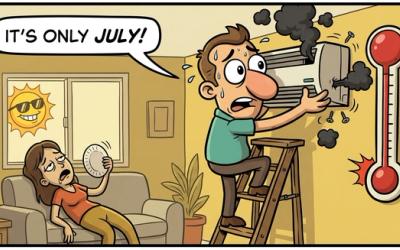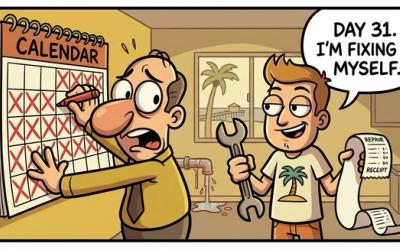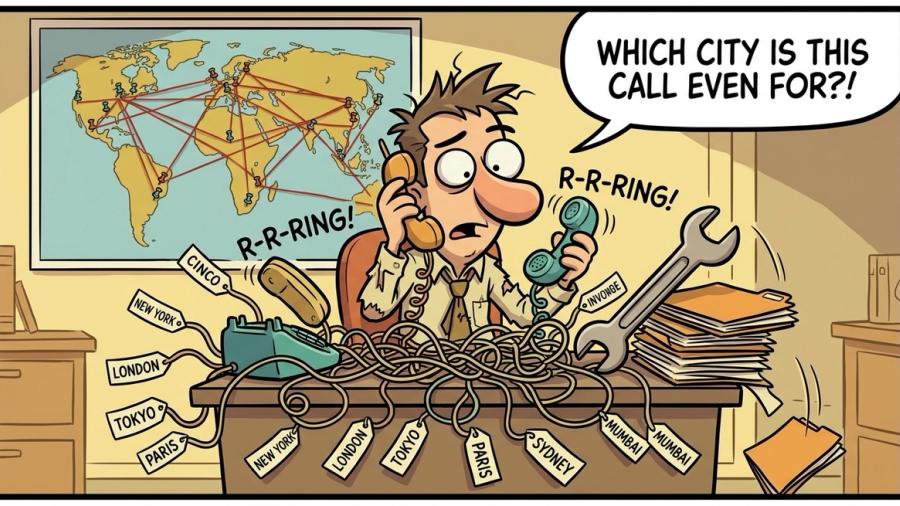
Skilled trades are getting harder to find in every market at once, not just the ones a portfolio happens to be entering next. JLL's research projects 2.1 million skilled trades positions, electricians, HVAC technicians, plumbers, pipefitters, and general maintenance workers, could go unfilled by 2030, and Associated Builders and Contractors estimates the industry needs roughly 349,000 net new construction workers in 2026 alone just to hold current ground. For a portfolio owner expanding into a second or third market, that scarcity means the vendor roster that took years to build in one city doesn't transfer anywhere else. Every new market starts the qualification process over.
Vendor shortages tend to get treated as a labor problem, but a lot of the actual friction is an activation problem: slow onboarding, unclear licensing and insurance documentation, and vendor management systems that don't talk to each other across markets. That friction compounds for multi market portfolios in a way it doesn't for a single city operation. Verifying a new HVAC contractor's licensing and insurance in one market, then repeating that same verification process for an electrician, a plumber, and a general contractor in a second market, and again in a third, adds real administrative weeks before a single work order gets filled.
The Real Cost Isn't the Repair, It's the Coordination
The line item repair cost is rarely what actually drags down a multi market portfolio's margins. It's the hours spent chasing vendor availability, verifying insurance certificates haven't lapsed, and troubleshooting no shows across a roster that looks different in every city a portfolio operates in. That overhead scales with the number of markets, not the number of units, which is why a ten unit portfolio spread across three markets can generate more coordination work than a forty unit portfolio concentrated in one.
Renter expectations raise the stakes on getting this wrong. Same day maintenance response has become the baseline expectation across renter age groups, not just younger tenants, and property managers who can't consistently meet it see lower lease renewal rates and weaker online reviews. A fragmented, market by market vendor network makes that consistency hard to guarantee, since response times end up depending on which city's roster happens to be reliable that week.
One Point of Contact Across Every Market
This is the practical case for a single multi trade maintenance provider that already operates across a portfolio's markets, rather than qualifying separate HVAC, electrical, plumbing, and general repair vendors city by city. A provider covering Ventura County (Ventura, Oxnard, Camarillo, Thousand Oaks) and the greater Sacramento region (Sacramento, Elk Grove, Roseville, Folsom) under one relationship means a portfolio spanning both doesn't need two separate vendor rosters, two separate documentation standards, or two separate response time expectations to manage.
For an owner actively growing into new markets, that consistency, one point of contact, one quality bar, one set of documented work orders, matters more than any single repair. It's the difference between adding a market and adding a headache.