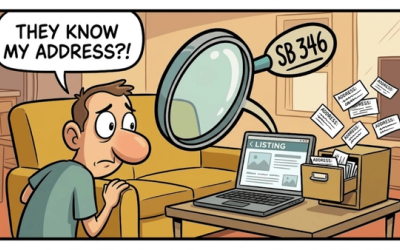
Governor Newsom signed SB 222, the Heat Pump Access Act, on September 28, 2026, making California the first state to set a statewide permitting framework for residential heat pumps. The law covers heat pump HVAC systems and heat pump water heaters that serve a single home or unit. For California landlords, it takes some of the friction out of one of the most common rental property maintenance jobs: replacing a failing furnace, air conditioner or water heater.
Until now, permitting for these installs has varied widely from one city to the next. Some jurisdictions required separate permits, charged unpredictable fees or added their own documentation rules. SB 222, authored by Senator Scott Wiener, sets a more consistent approach across the state, and it was co sponsored by the Building Decarbonization Coalition, SPUR and the Bay Area Air District.
What SB 222 Changes for Heat Pump Permits
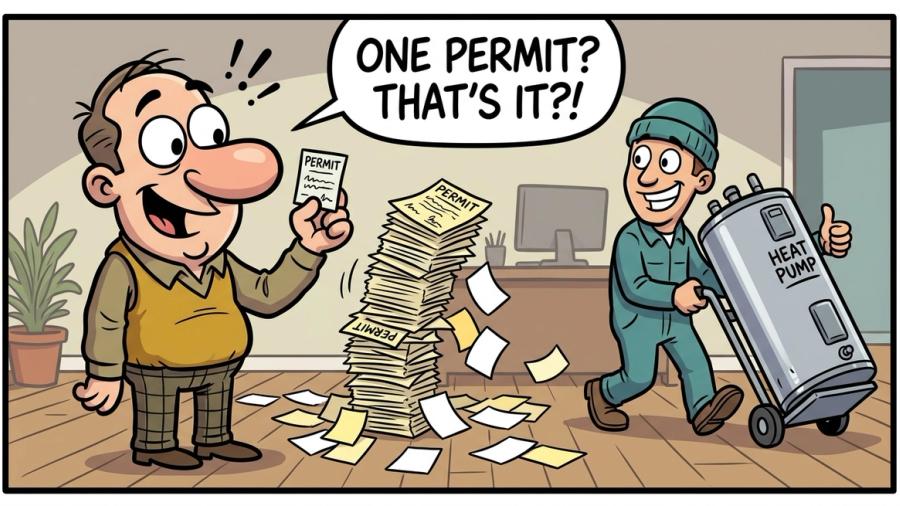
The core change is simpler permits. Local governments can require no more than one nondiscretionary permit per installation, approved administratively rather than through a discretionary review. Standard installs are meant to move through automated permitting, and permit fees can't exceed the estimated reasonable cost of providing the service. The law also creates a single permit type that covers both heat pump HVAC systems and heat pump water heaters.
There's a homeowners' association piece too. SB 222 limits an HOA's ability to prohibit or restrict a member from installing, upgrading, replacing or using a residential heat pump water heater or heat pump HVAC system in their own unit, with some exceptions. That matters for owners who rent out condos or townhomes, where HOA rules have often slowed down equipment replacements.
What It Means for Rental Property Maintenance in California
The practical benefit shows up when equipment fails. A dead water heater or a broken AC unit in a rental isn't a project that can wait weeks for paperwork, and a faster, more predictable permit makes it easier to replace like for like with a heat pump instead of defaulting to whatever can be installed fastest. Predictable fees also make it easier to budget replacements across a portfolio rather than treating each one as a surprise.
It's also a reason to plan ahead instead of waiting for a breakdown. Owners can use routine inspections to note the age and condition of each unit's furnace, AC and water heater, and flag the ones nearing the end of their life. Checking the electrical panel at the same time helps, since heat pump equipment can need electrical work to support it.
None of this removes the need for a licensed contractor or code compliance. The equipment still has to meet state building standards, and the work still has to be done properly. What SB 222 changes is the process around it, and cities and counties will need time to set up the new permitting systems. For landlords, the sensible move now is to know which units are due for replacement, so the switch happens on a schedule rather than in the middle of a heat wave.