Every residential rental unit in the City of Sacramento falls under the Rental Housing Inspection Program, and an owner who does not finish repairs within 30 days of a failed inspection risks an administrative order and a follow up inspection with a re inspection fee. Exemptions exist for rentals less than five years old and units already inspected by another agency, but everyone else starts with registration.
After an owner registers a rental, the city schedules an inspection and sends the owner two weeks’ written notice, with a separate notice to the tenant. Under the current fee schedule, effective July 1, 2025, the annual program fee is $25 per unit, each unit inspected costs $180 and a re inspection costs $295, with an 8 percent code technology fee added to all fees. A property with no violations, or one that corrects them within 30 days, moves into self certification. From then on the owner inspects each unit once a calendar year and whenever the tenancy changes, keeps the completed checklists for three years, and accepts that the city randomly inspects 10 percent of self-certified properties. A property that fails one of those checks goes back to annual city inspections.
What do Sacramento rental inspectors check?
The city publishes the same checklist owners use for self certification, and the items are specific:
- Hot and cold running water, electrical power and a permanently installed, working heater
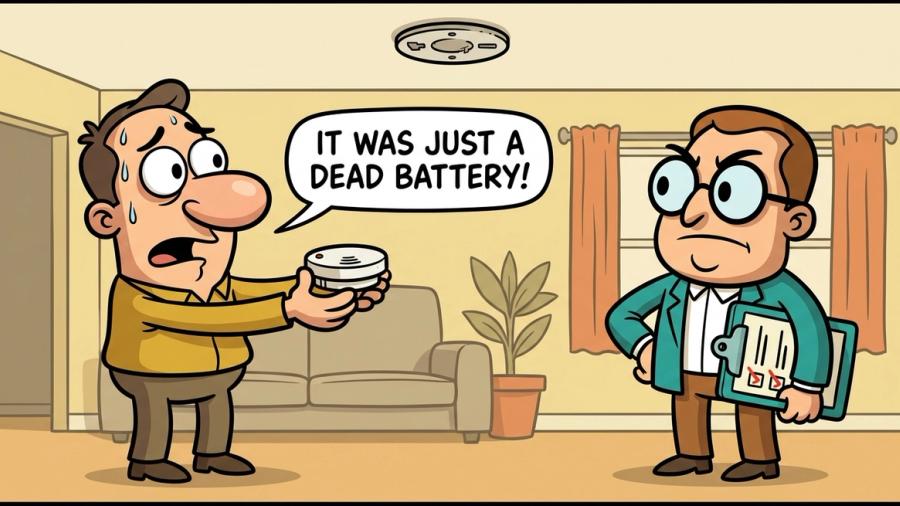
- Working smoke detectors, plus carbon monoxide detectors outside sleeping areas and on each level
- Entry doors with secure strike plates, a deadbolt with an interior thumb latch, a peephole and weather sealing
- GFCI outlets where required, outlet covers in place and no exposed wiring
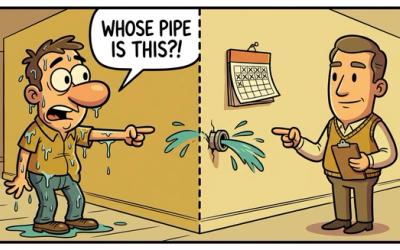
- Plumbing without leaks, with proper P traps, caulking and anchored fixtures
- Walls, ceilings and floors free of holes, missing sections and trip hazards
- Overgrown vegetation and weeds cleared, and trash cans and dumpsters covered and not overflowing
- Roofs without holes or leaks, sound stairs and railings, working exterior lights with covers, a cover on the electrical panel and clear walkways
Most of these are small fixes. A loose strike plate, a missing panel cover or a dead smoke detector battery is cheap to repair, but each one is a violation on paper.
How can owners prepare before the inspector arrives?
Start the day the notice arrives, since it gives two weeks. Walk each unit and then the exterior with the city’s own checklist in hand. Group the fixes by trade, so one visit covers door hardware, outlet covers and exterior lights. Take dated photos of every corrected item, and keep the signed checklist in the unit file, since owners must retain it for three years.
Timing matters because of the 30 day window. A violation found at the first visit has to be corrected before the progress inspection, and a property that takes longer is inspected again the following year and pays a re inspection fee. Owners in unincorporated Sacramento County should note that a separate county program applies to them, with its own fees and rules.
Nest Nomads coordinates plumbing, electrical, HVAC, drywall, painting and other trades for rentals across Sacramento, Elk Grove, Roseville and Folsom, with background checked technicians and before and after photos on every closed ticket, so a correction list is handled by one team rather than five vendors.